
Type *blue eyes black hair character archetype meaning* into a search bar and the answers you get back usually describe what the face *is*. Cold. Pale. Distant. Dark. The descriptions are accurate. They are also a way of answering the wrong question. The question a person typing that phrase is actually asking is rarely about the face. It is about what this face is doing inside a story, why every character who wears it seems to be standing at the same kind of moment, and why describing the colour has never quite made any of the descriptions feel complete.
The face is not a description. It is a position.
What the look does inside a story
Strip the colour out of the look for a moment. Imagine the same face in monochrome, lit by candles, dressed in whatever the period prefers. Most of what makes the combination striking survives the colour removal. What survives is not the contrast. What survives is where the face is positioned inside the narrative.
Every character that wears the look sits at a threshold the protagonist has not yet earned the right to cross. The threshold can be a tower, a doorway, an unanswered letter, a contract someone is about to sign. The face always belongs to the figure on the other side of the threshold. The protagonist sees the face from outside. The face does not, yet, see the protagonist back.
This is the part the listicles do not catch. They are written about pictures, and pictures do not show what is on the other side of a threshold. The threshold lives in the structure of the story, not on the canvas. The face is doing the structural work of marking which side of the story we are currently looking at. The cold surface, the dark frame, the pale skin, the light eyes read as cold because the coldness is the visual signature of a barrier.
The barrier is what the look is for.

What changes when the barrier does
The face does not stay on the other side of the threshold forever. The story is built for the moment when the face stops being a barrier. Snow White is the story of a girl whose stepmother keeps her behind glass and then watches the glass fail. Lady of Shalott is the story of a woman whose curse is the glass and whose death is the moment she steps out of it. The Lady of the Lake, in the older Arthurian register, waits underwater until Arthur needs her and is called. Persephone waits in the underworld until the season turns.
In every case, the look that pre-encounter was a barrier becomes, after the encounter, a person. The eyes that were the cold frame around an unreachable face become the eyes that, when finally met directly, look exactly like what they were before — and the change is in who gets to look back.
This is the second structural thing the combination is for. The face is read at first encounter as the boundary itself: cold, remote, untouchable. The face is read at second encounter, if the story survives to one, as the same boundary, in the same posture, with the same dark frame and the same distant light — but now with someone looking back. The look survives the loss of its barrier function by being unchanged. The look is *not* a transformation under the snow. It is the part of the figure that was already there before the snow fell, having always been there, that the threshold was hiding.
Why a still face carries the threshold
A face that is meant to mark a barrier has to be quiet.
A face that smiles too freely belongs to the side of the threshold the protagonist already has access to. The face has to be partially closed off, partially turned, or partially engaged in something the viewer cannot see the centre of, so that the face has somewhere to go that we are not yet invited to. The pale skin and dark hair are a recipe for that kind of face — quiet by virtue of the contrast, the colour of the surface doing the work that a closed expression would normally do in another visual register. Without the contrast, the face would need to be at rest; with the contrast, the face can be active and still read as closed off.
A face that is meant to mark the barrier also has to be readable at distance. The combination is exaggerated in a way that makes the face legible at thumbnail scale, at print scale, at the scale of a pin-up pasted to a barracks wall or a generative still skipped past at scroll speed. The exaggerated contrast is the readable signature of the structural position. The face does not need to be looked at carefully to be marked as belonging somewhere the viewer is not yet invited. The combination is doing, at small scale, what it is doing in the narrative: marking an off-limits figure in a way that even a glance registers.
This is also why the look is so resistant to comedic rendering. The combination reads as occupied, even when the figure is not doing much. Occupied faces do not survive the punchline. The face can be the joke in a wide shot — but the moment the camera lands on the face alone, the face reads as serious. The face will not stay funny.

What got lost when the structural position shrank
The structural position the look marks is older than cinema, older than photography, older than the literary forms that produced the named characters above. The look has carried the threshold function across every medium that has redrawn it: oil, newsprint, monochrome film, hand-drawn animation, photostock, generative models.
The medium changes. The structural position is constant. The barrier is what the look is for.
What changed across those media is not what the look does. What changed is who believes they can see past it. A face that was once an unreachable figure inside a story the audience experienced at one remove has become a face that scrolls at the audience at the same speed as every other face on the same feed. The barrier is still in the face. The audience has stopped reading the barrier as a barrier. The audience reads the cold surface as part of the surface — a personality, a mood, a subculture, a Pinterest board. The threshold function has not gone away. The audience has lost the syntax for noticing it is there.
Most listicles that try to answer what the look means start by describing the surface and finish by describing the surface. The surface is real. The structural position is what the surface was painted on top of. The look is for the threshold, not the colour.
What to do with this, if you came for the meaning
You came for the meaning of the combination because you have noticed it doing something, possibly for a long time, in characters you have watched or read or scrolled past. You have probably described the cold surface and felt that the description was incomplete. The description was incomplete because the cold surface is the frame around what the look is actually for. The structural position is older than any of the characters you have seen carry it, and the structural position is what every character who carries the look is serving.
Next time the pale, dark-haired, blue-eyed face stops you — in a film, in a book, in a feed, in an image that does not name what it is showing — try reading the face as a threshold instead of a colour. Notice where the face is positioned in the story. Notice whether the protagonist has access or not. Notice what the face is doing that the protagonist cannot yet reach.
If the face is at the door, the answer to the question is that the face is the door. If the face is behind glass, the answer to the question is that the face is the glass. The colour is always the same. The position is what the look is for.
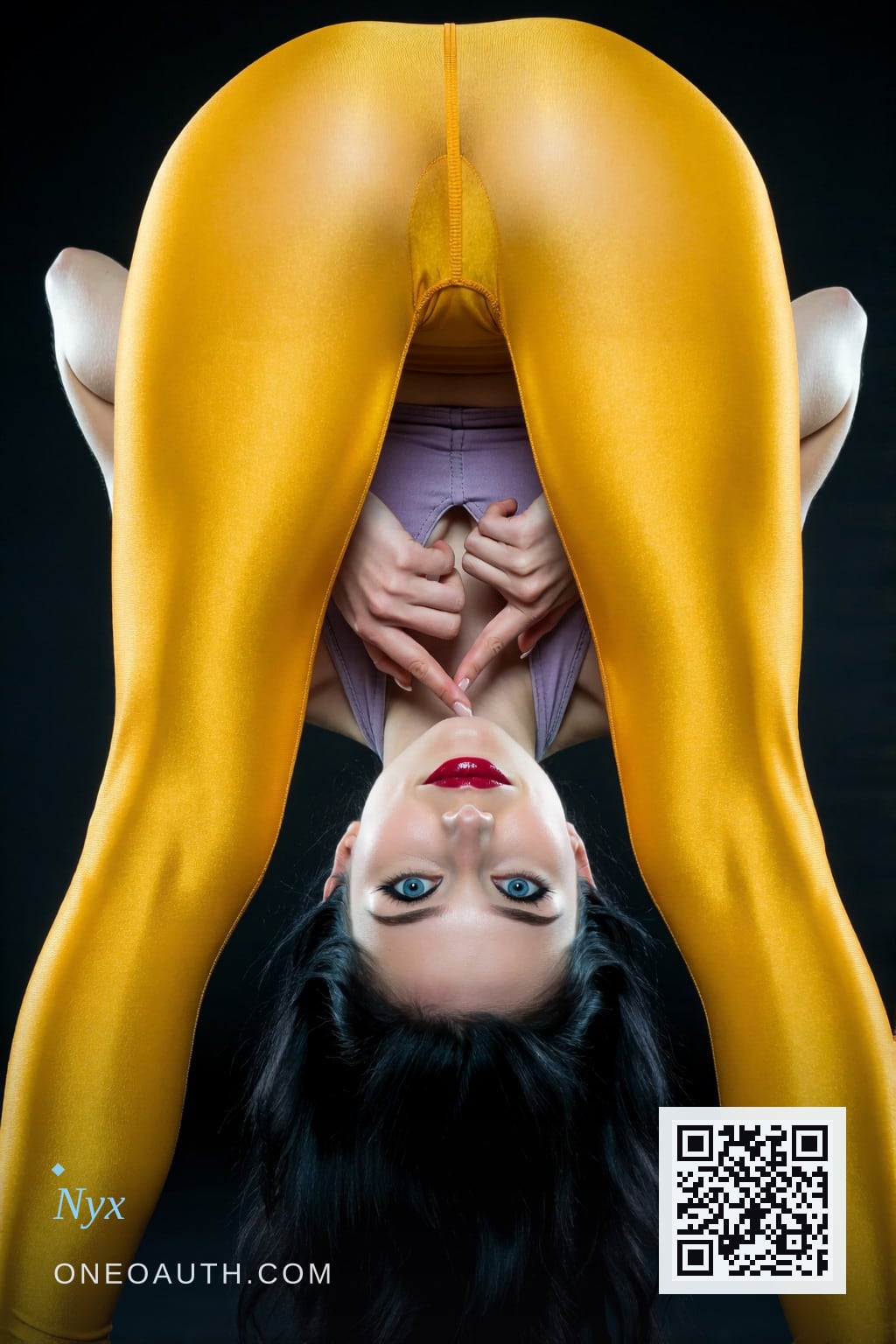
The combination has carried the same structural function across every medium for two hundred years. The listicles describe the surface. The listicles are not wrong about the surface. The listicles are not yet talking about what the surface is for.
See what the combination actually carries at oneoauth.com/visions.